 Nature Reach
An underwater hunter before it flies
Follow a dragonfly from water to air
Anisoptera
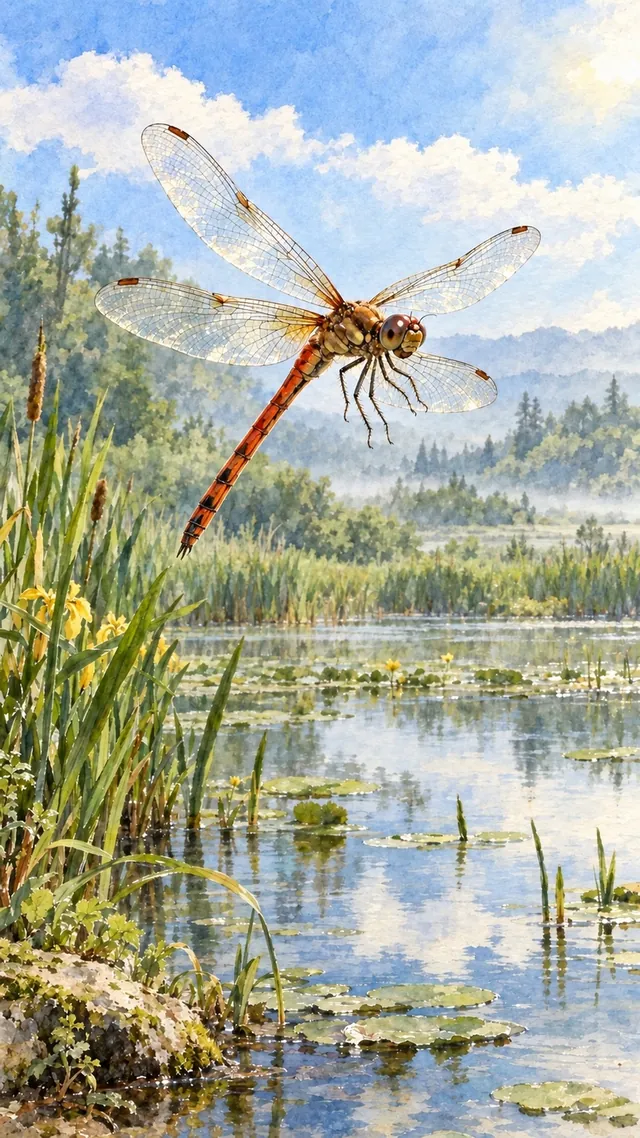
The dragonfly above the pond once hunted beneath the surface. Its flying life is only one part of a story that begins in water.
Listen in Nature Reach
These are the same real voice recordings children hear in the app.
Fresh water and the air above it
Here, dragonfly refers to the group Anisoptera, including pond dragonflies from families such as Libellulidae and Aeshnidae. The app’s illustration represents this group rather than one identified species; the page follows the temperate pond setting.
Growing underwater, emerging with wings
Young dragonflies live underwater. For the final moult, a larva climbs out onto a stem or another support. The winged adult emerges, expands its wings and waits for them to harden before flying away.
Three things to notice
- A dragonfly’s large compound eyes give it a view of almost everything around it.
- Dragonflies can control their four wings with considerable independence, helping them hover and change direction.
- A dragonfly larva has an extendable lower lip that shoots out to grab prey.
A hunter that can also become prey
A possible meal for a frog
An adult dragonfly can be caught by a frog waiting near the pond edge. Even a flying hunter has predators of its own.
Hunting small flying insects
Adult dragonflies catch insects such as midges and mosquitoes in flight. These smaller insects provide food for the dragonfly’s flying stage.
Find the dragonfly in Nature Reach
Open the free pond map and look for the dragonfly. Listen to its introduction and explore its connection to the frog.
Explore the pond

Meet another species
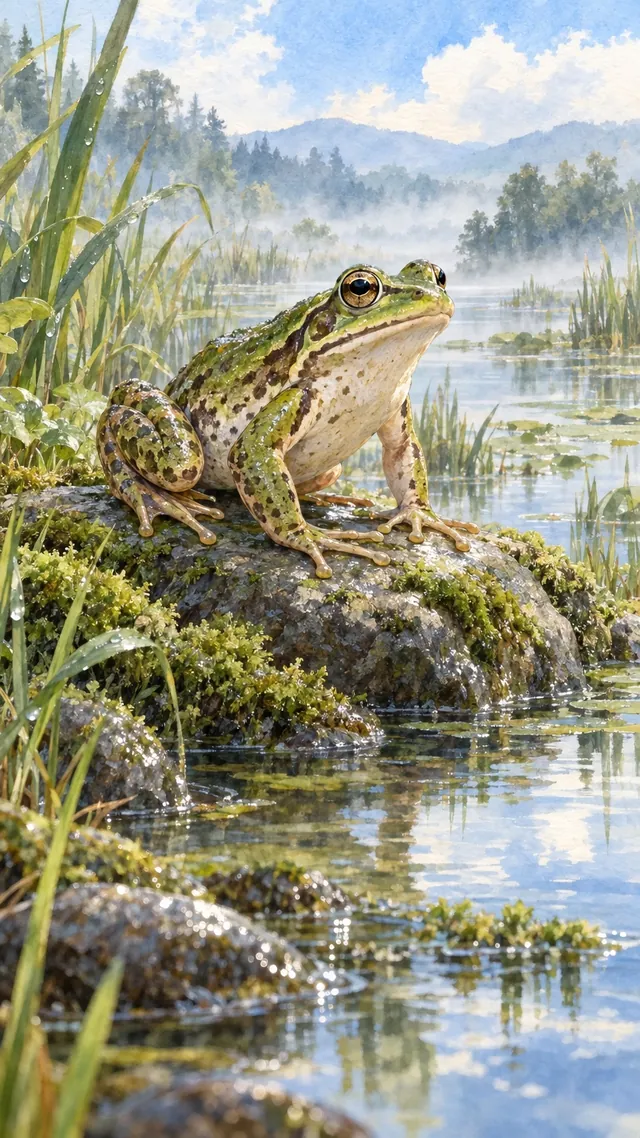
Frog
Rana temporaria
A frog can leap from a damp bank into the water. Earlier in its life, it looked very different: a swimming tadpole with a tail.
Meet this species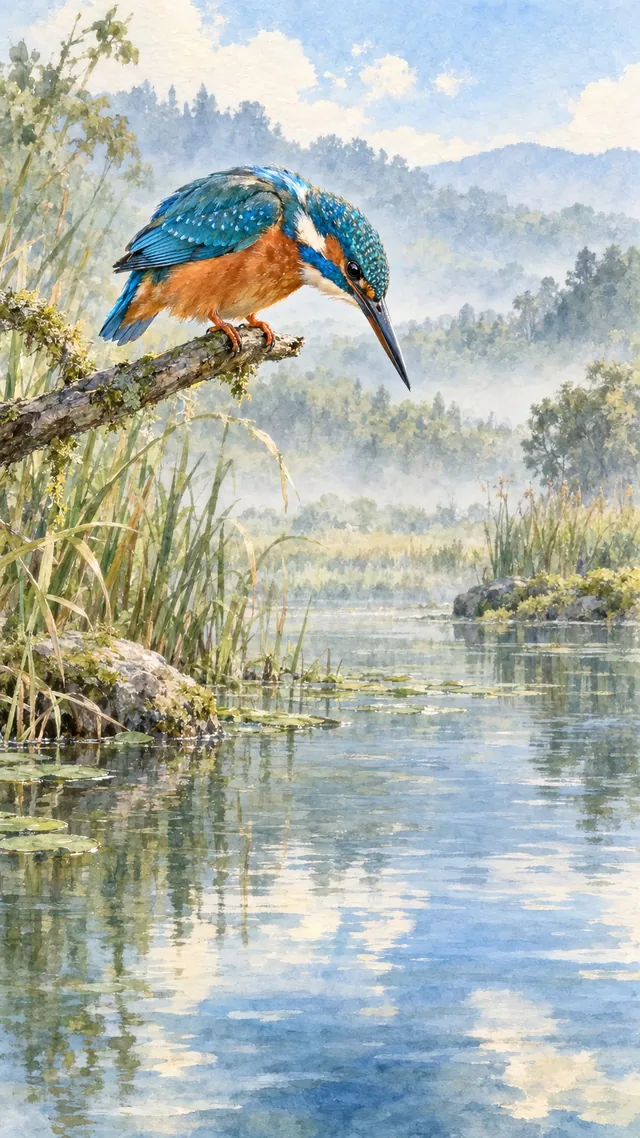
Kingfisher
Alcedo atthis
A kingfisher waits on a perch above the water. When it spots a small fish, that quiet pause can turn into a sudden dive.
Meet this species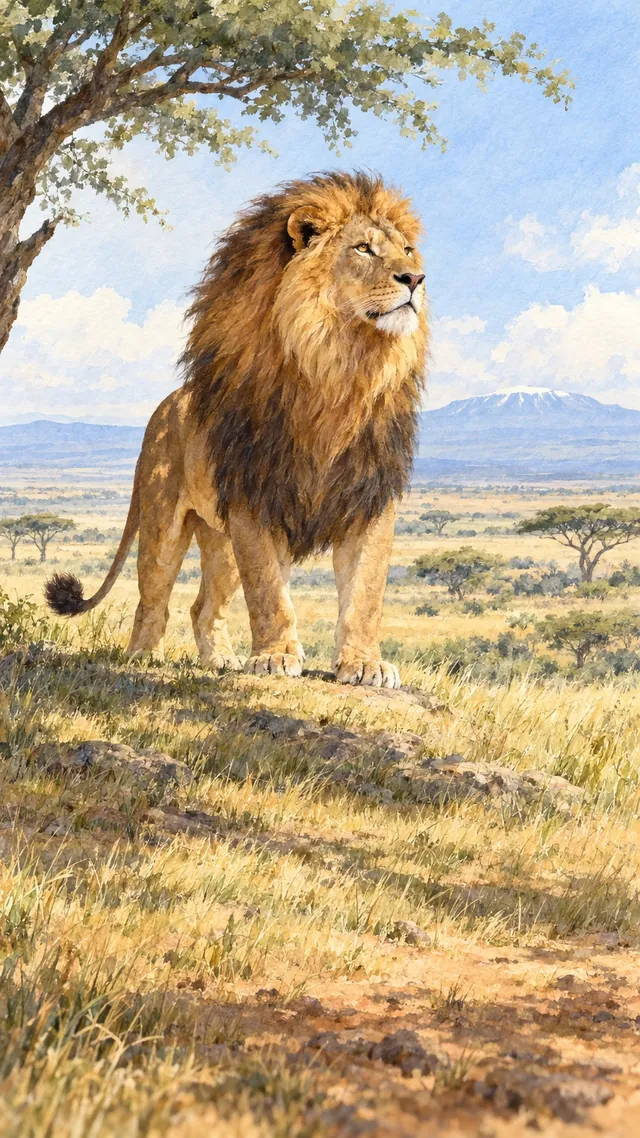
Lion
Panthera leo
A lion resting under a tree gives us one glimpse of its day. Later, as daylight fades, the pride may become much more active.
Meet this species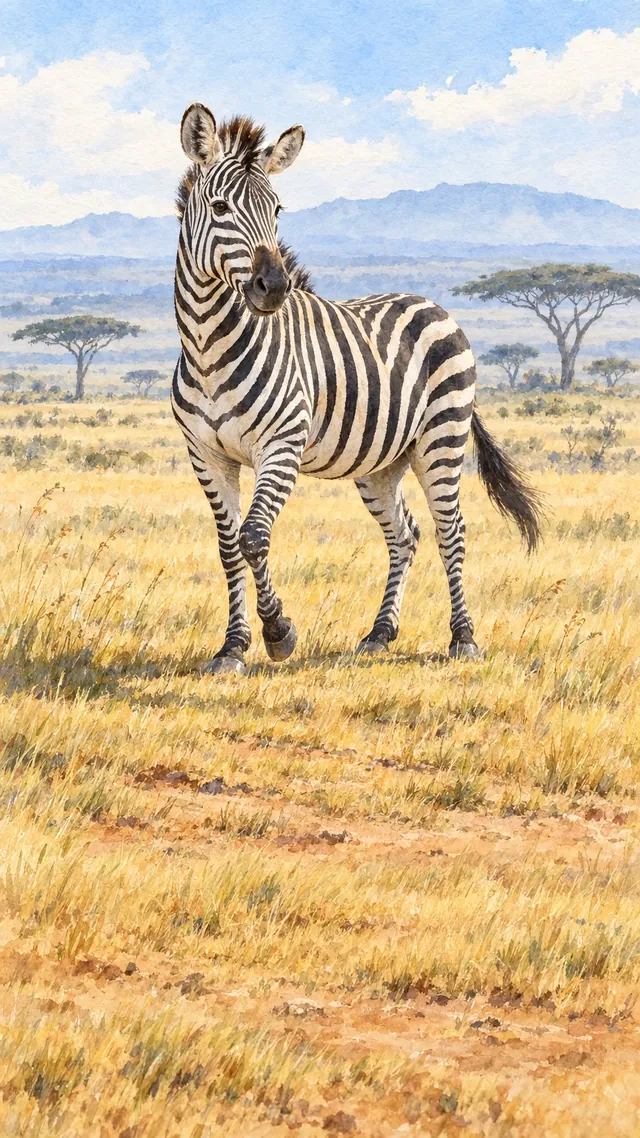
Zebra
Equus quagga
A zebra's coat is covered in stripes, but the pattern is its own. Look beyond the stripes to discover a life spent grazing and moving with other zebras.
Meet this species
Umbrella thorn acacia
Vachellia spp.
Its spreading crown makes a patch of shade on a sunny plain. For animals, this tree can offer somewhere to rest or something to eat.
Meet this species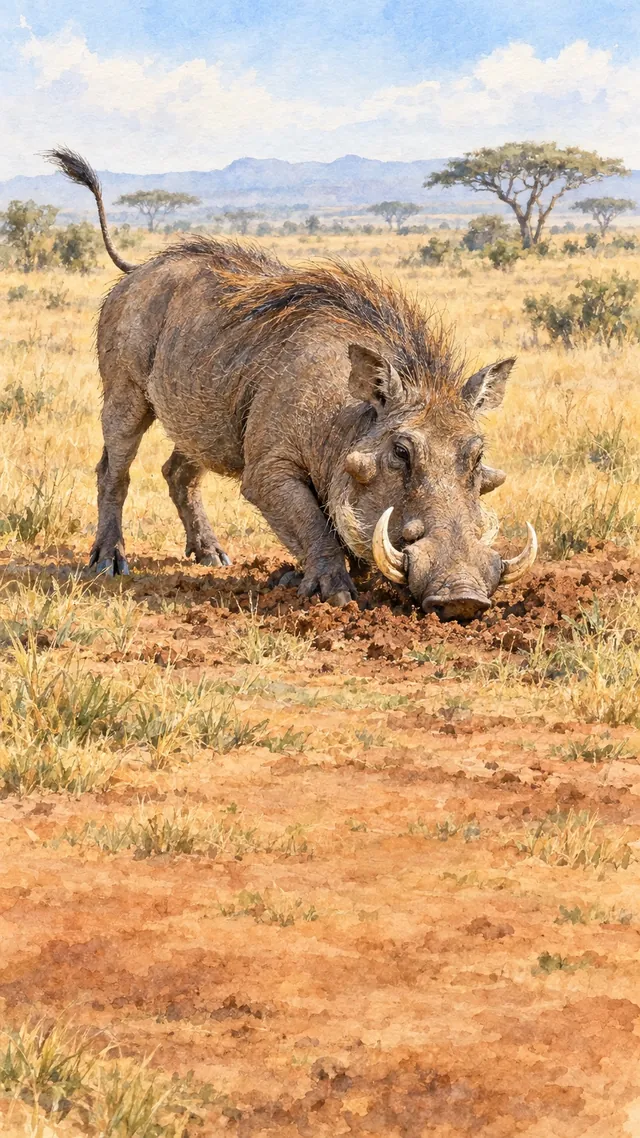
Warthog
Phacochoerus africanus
A warthog may lower itself onto its front legs while feeding. A nearby burrow gives this busy forager somewhere to shelter.
Meet this speciesSources
- Dragonfly life cycle and emergence, British Dragonfly Society
- Dragonfly feeding and biology, British Dragonfly Society
Reviewed by Nature Reach on 17/10/2026.