 Nature Reach
A ground-level explorer
Meet the warthog and its burrow
Phacochoerus africanus
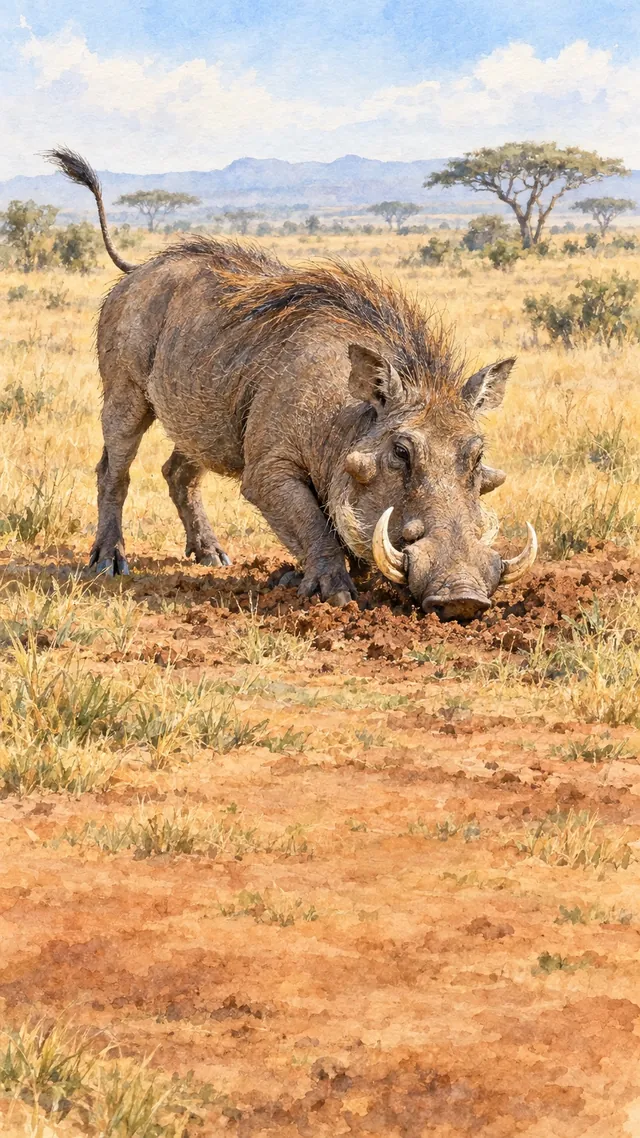
A warthog may lower itself onto its front legs while feeding. A nearby burrow gives this busy forager somewhere to shelter.
Listen in Nature Reach
These are the same real voice recordings children hear in the app.
Grassland and open woodland
Common warthogs live in African savannas, including East Africa. They find food on the ground and use burrows for shelter.
Foraging above ground, sheltering below
Warthogs dig for food and shelter in burrows. When heat or a predator sends them looking for cover, they can back into a burrow to hide.
Three things to notice
- Warthogs kneel on their padded front wrists to feed close to the ground.
- Their facial bumps are thick skin, with no bone or cartilage inside.
- Females often live with their young in groups, while adult males usually live alone.
Hunters and borrowed homes
Prey for lions
A warthog can be hunted by a lion. Running away or retreating into a burrow are ways it may escape danger.
Using old aardvark burrows
Warthogs can shelter in burrows abandoned by aardvarks. A hole dug by one animal becomes useful to another.
Find the warthog in Nature Reach
Open the free savanna map and look for the warthog. Listen together, then ask your child how a burrow helps this animal.
Explore the savanna

Meet another species
Lion
Panthera leo
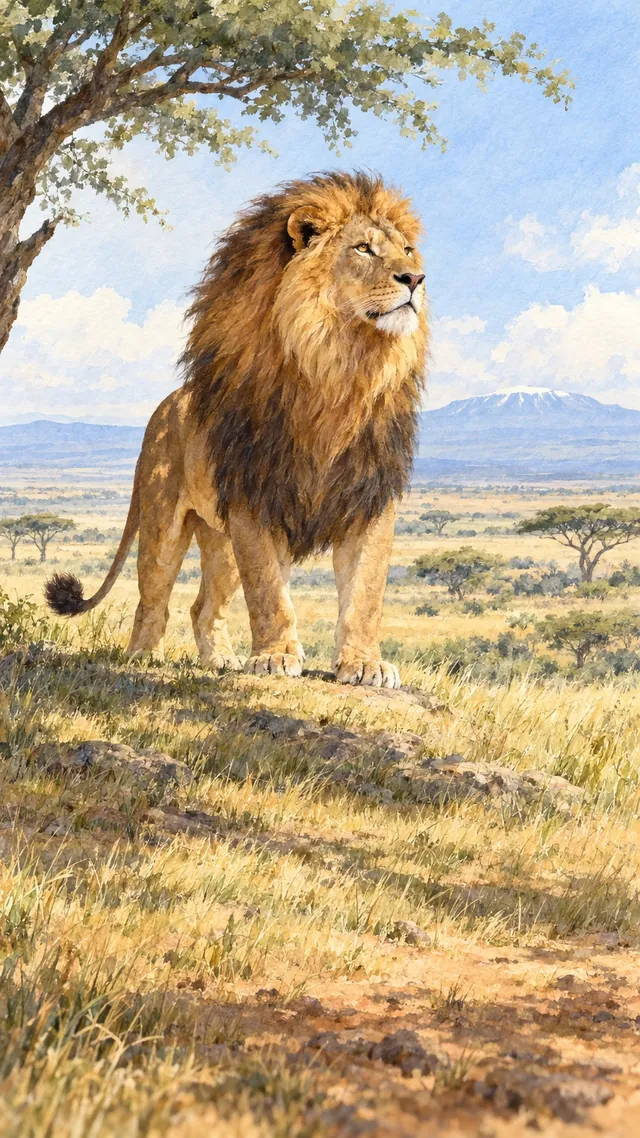
A lion resting under a tree gives us one glimpse of its day. Later, as daylight fades, the pride may become much more active.
Meet this species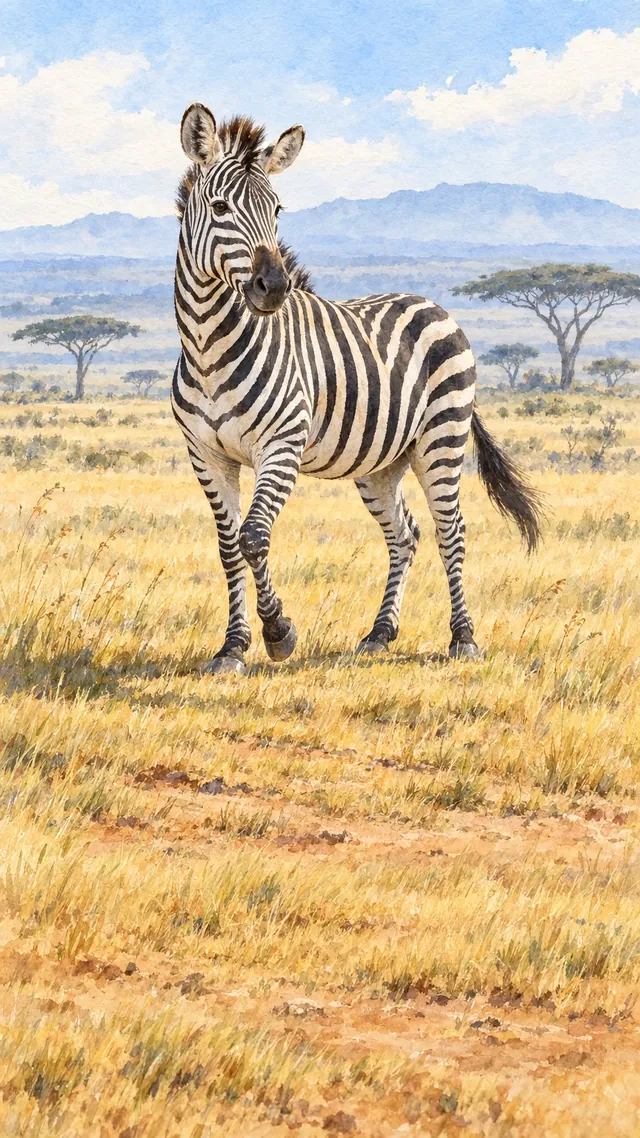
Zebra
Equus quagga
A zebra's coat is covered in stripes, but the pattern is its own. Look beyond the stripes to discover a life spent grazing and moving with other zebras.
Meet this species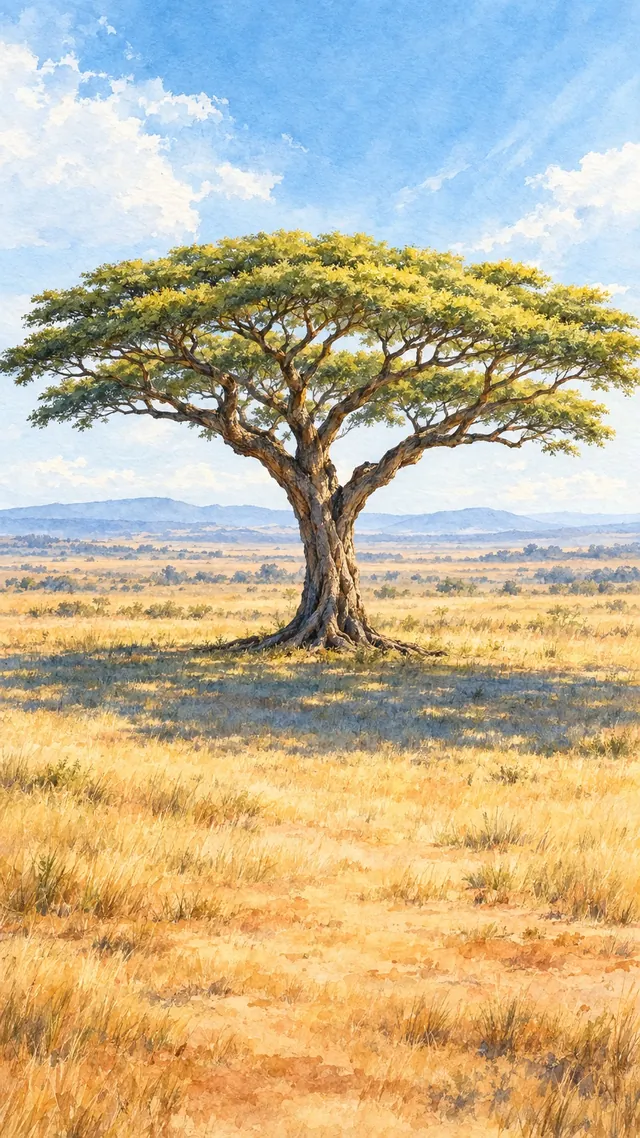
Umbrella thorn acacia
Vachellia spp.
Its spreading crown makes a patch of shade on a sunny plain. For animals, this tree can offer somewhere to rest or something to eat.
Meet this species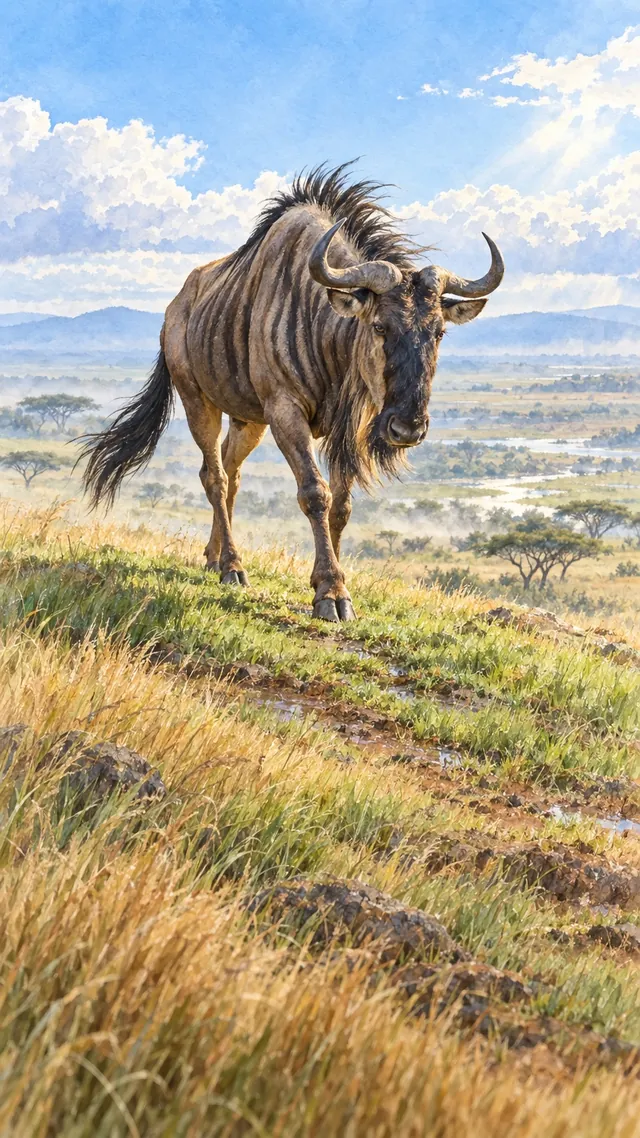
Wildebeest
Connochaetes taurinus
A herd may pause to graze, then move on as food changes with the seasons. In the Serengeti and Maasai Mara, this journey links many parts of the landscape.
Meet this species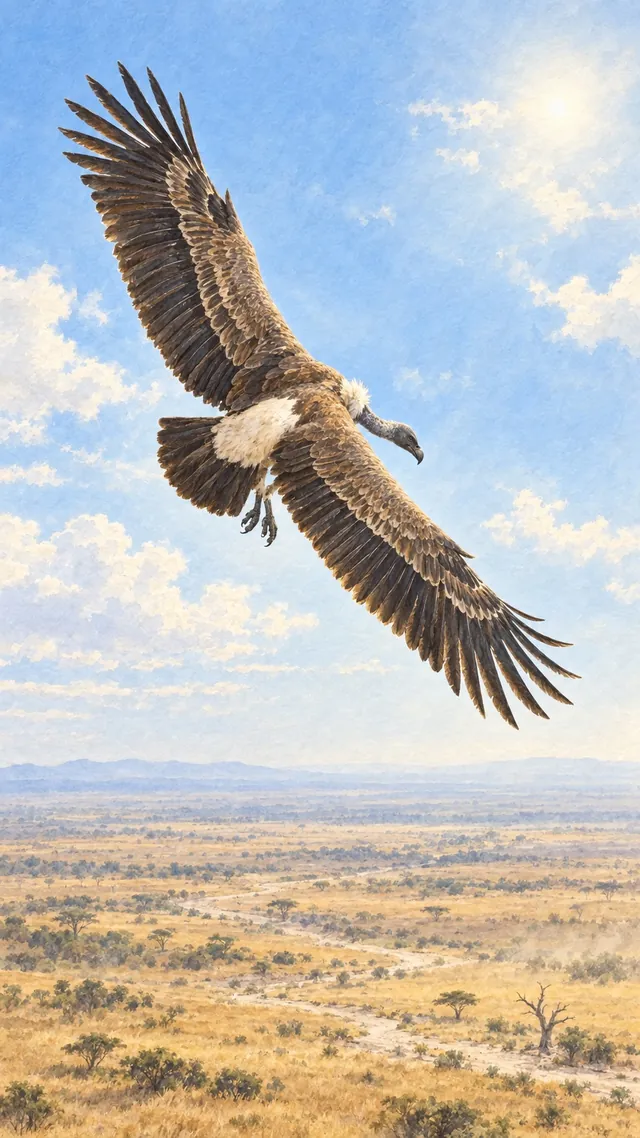
White-backed vulture
Gyps africanus
A vulture circling overhead is searching for food on the ground. Its meal comes from an animal that has already died.
Meet this species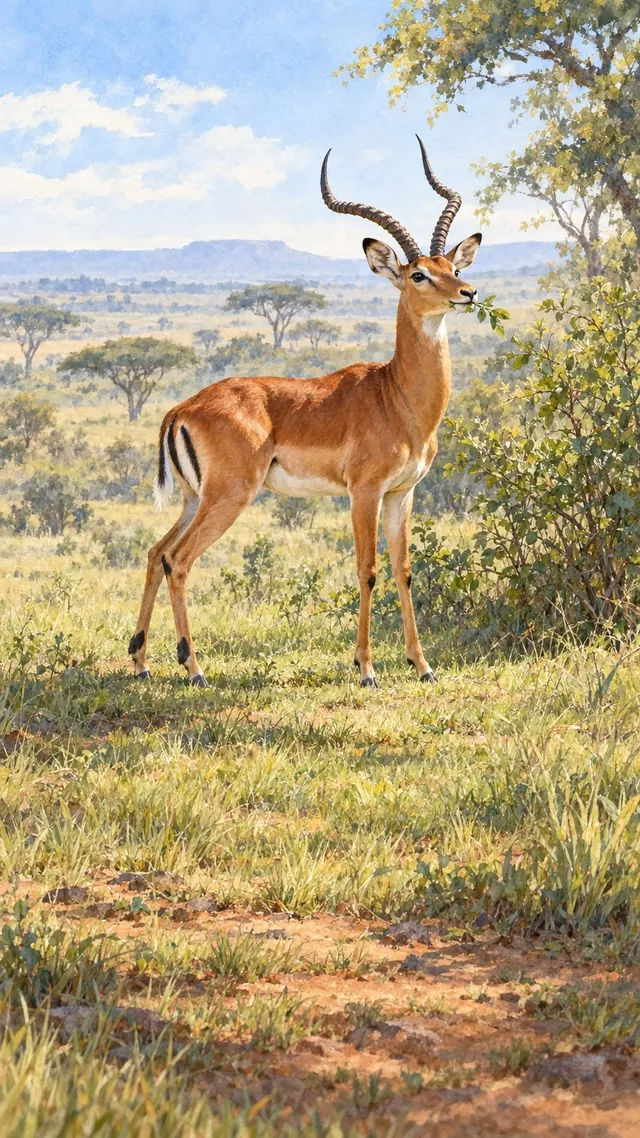
Impala
Aepyceros melampus
Notice the impala's curved horns and light-footed movements. Only males have those horns.
Meet this speciesSources
Reviewed by Nature Reach on 28/09/2026.