 Nature Reach
A broad crown above the grass
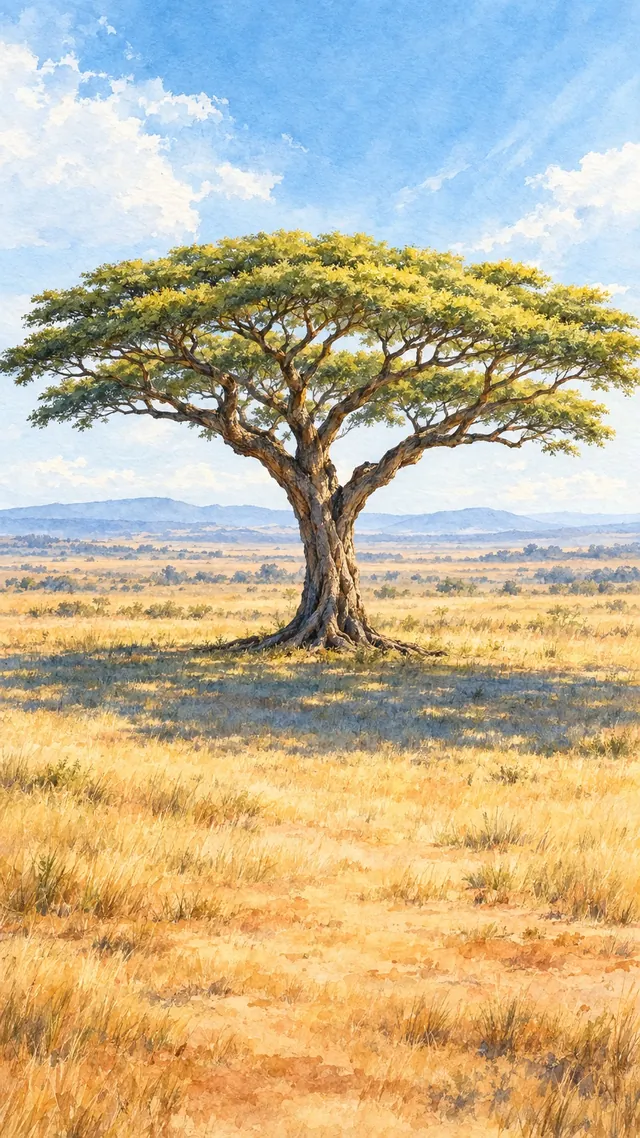
Explore life around an umbrella thorn acacia
Vachellia spp.
Its spreading crown makes a patch of shade on a sunny plain. For animals, this tree can offer somewhere to rest or something to eat.
Listen in Nature Reach
These are the same real voice recordings children hear in the app.
A tree of dry savanna and woodland
Umbrella thorn acacias grow in dry African landscapes, including East Africa. Here, the name covers trees in the genus Vachellia, including Vachellia tortilis, rather than identifying every illustrated tree as one species.
A canopy that offers shade
An umbrella thorn acacia spreads a wide canopy, creating shade on the sunny savanna. Its leaves and branches also provide resources for animals that browse or perch.
Three things to notice
- The spreading crown gives the tree its umbrella-like outline.
- Vachellia tortilis is one species represented by the name used on this page.
- The tree's branches hold leaves that browsing animals can eat.
Who uses the tree?
Shade for a resting lion
A lion can rest beneath the canopy. The tree offers shelter from direct sunshine.
Leaves for giraffes
Giraffes reach into acacia branches to eat leaves. Their long necks let them browse high above the ground.
Food for elephants
Savanna elephants eat acacia leaves and young branches. The tree is part of their varied plant diet.
Find the acacia in Nature Reach
Open the free savanna map and look for the spreading canopy. The English name recording says “Acacia”. Tap the tree to hear about its shade and explore its animal connections.
Explore the savanna

Meet another species
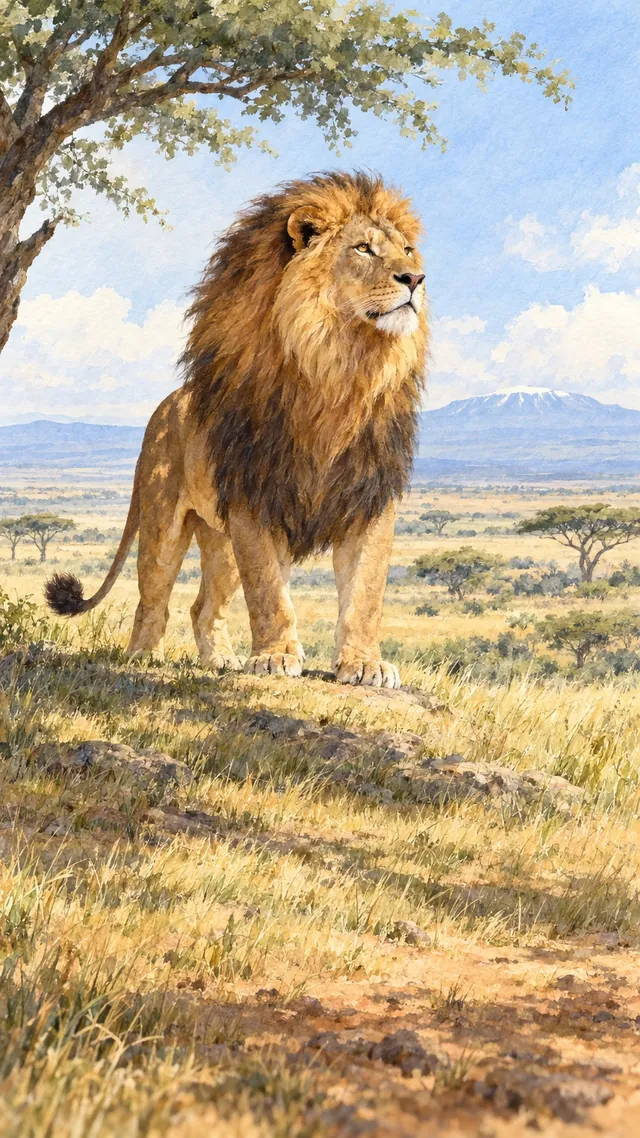
Lion
Panthera leo
A lion resting under a tree gives us one glimpse of its day. Later, as daylight fades, the pride may become much more active.
Meet this species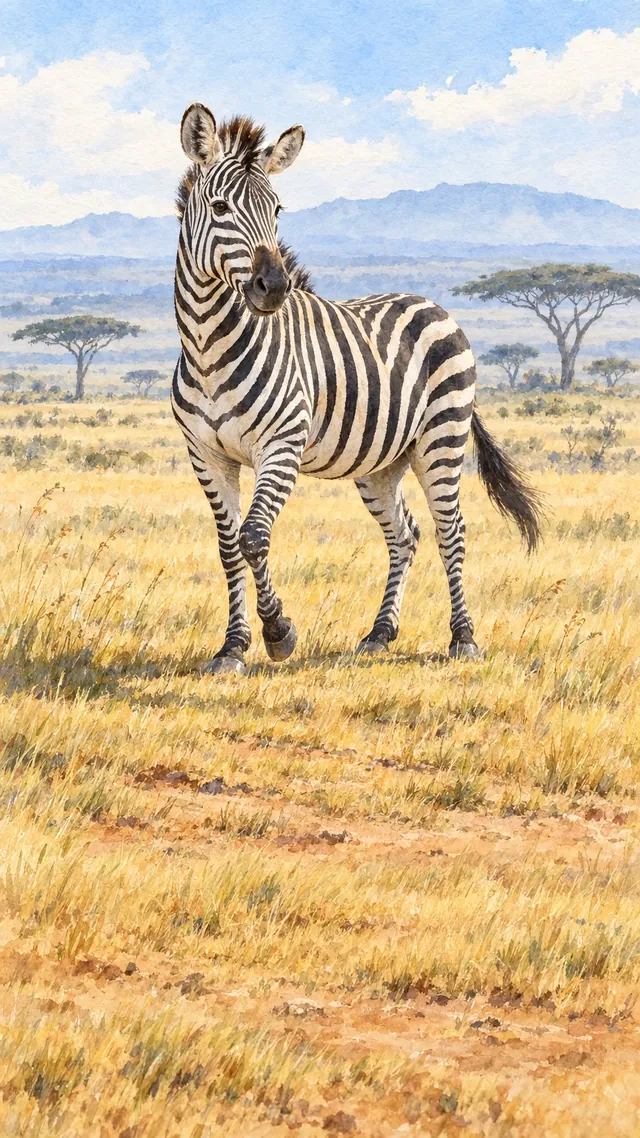
Zebra
Equus quagga
A zebra's coat is covered in stripes, but the pattern is its own. Look beyond the stripes to discover a life spent grazing and moving with other zebras.
Meet this species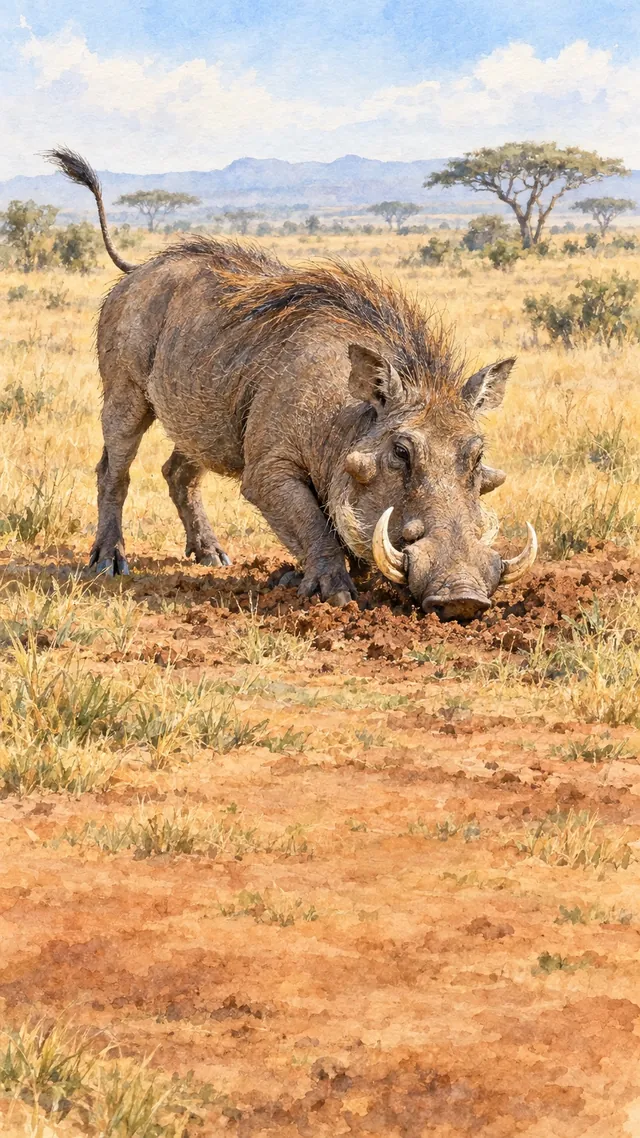
Warthog
Phacochoerus africanus
A warthog may lower itself onto its front legs while feeding. A nearby burrow gives this busy forager somewhere to shelter.
Meet this species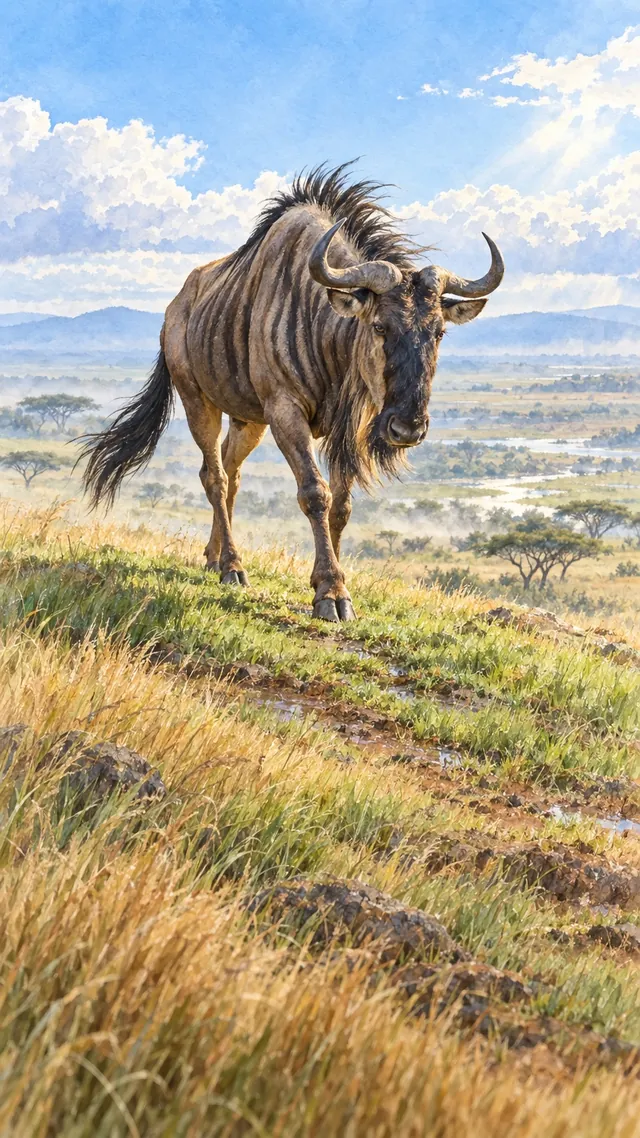
Wildebeest
Connochaetes taurinus
A herd may pause to graze, then move on as food changes with the seasons. In the Serengeti and Maasai Mara, this journey links many parts of the landscape.
Meet this species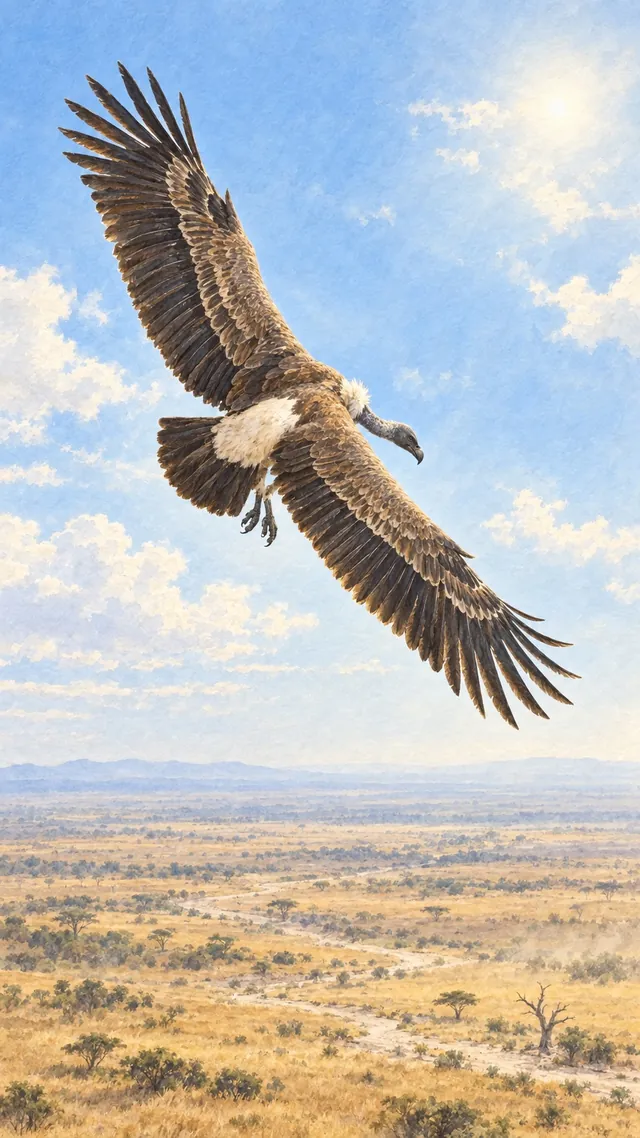
White-backed vulture
Gyps africanus
A vulture circling overhead is searching for food on the ground. Its meal comes from an animal that has already died.
Meet this species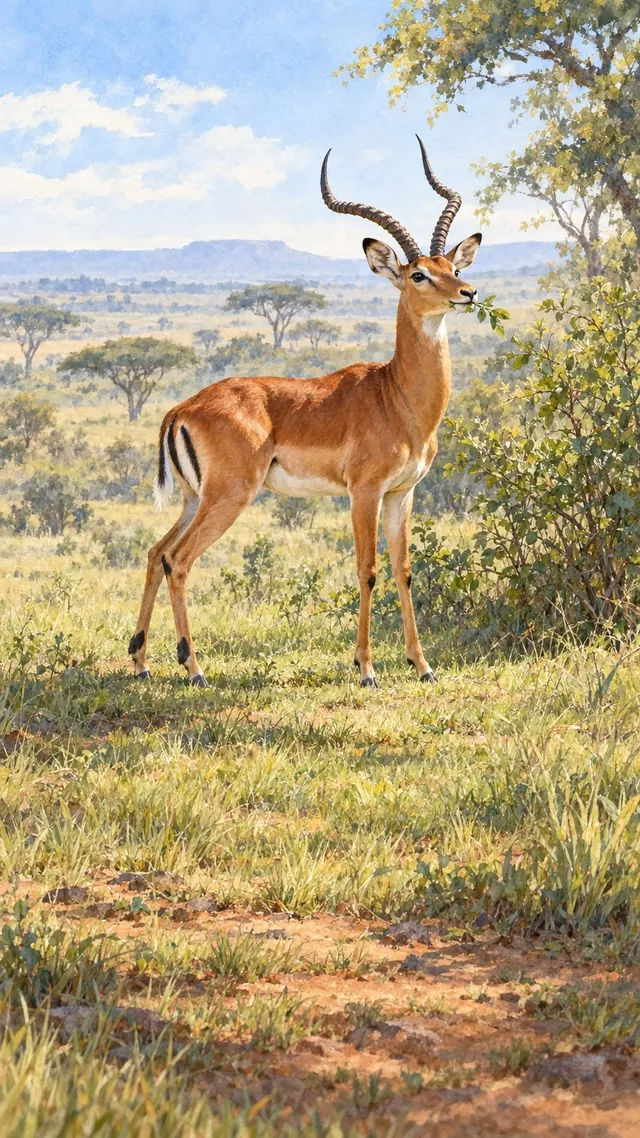
Impala
Aepyceros melampus
Notice the impala's curved horns and light-footed movements. Only males have those horns.
Meet this speciesSources
- Vachellia tortilis, SANBI PlantZAfrica
- Giraffes feeding on acacias, Giraffe Conservation Foundation
- African elephant diet, Smithsonian National Zoo
Reviewed by Nature Reach on 28/09/2026.