 Nature Reach
A grazer that rests in water
Discover the hippo’s life between river and land
Hippopotamus amphibius
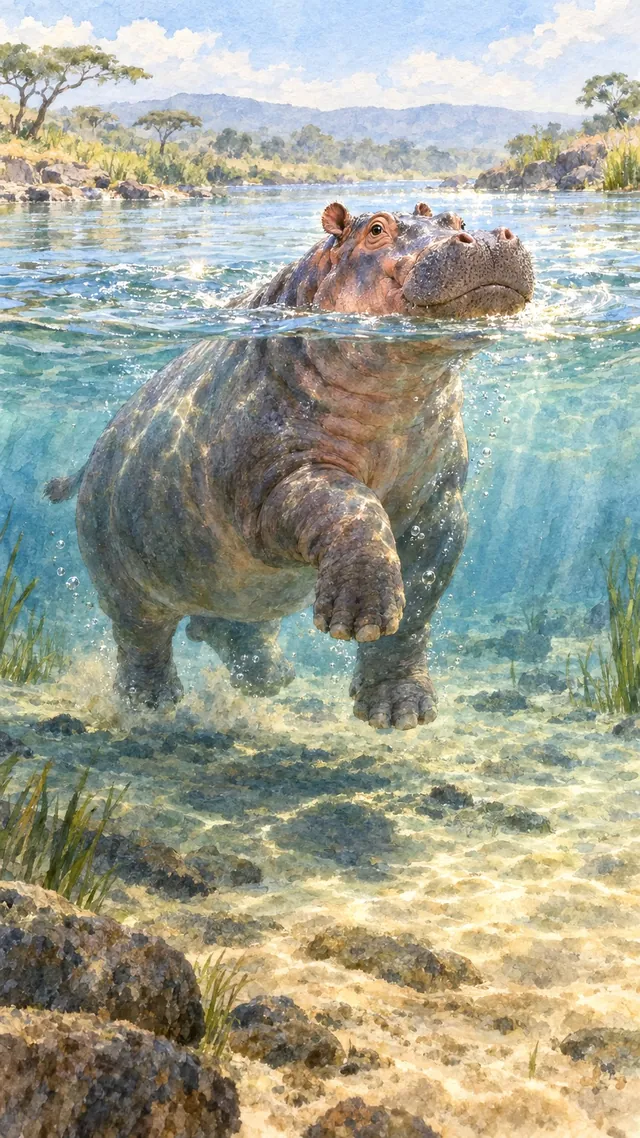
A pair of eyes, small ears and nostrils may be all you can see above the water. Much of the hippo’s body is resting beneath the surface.
Listen in Nature Reach
These are the same real voice recordings children hear in the app.
Fresh water with grazing nearby
This page introduces the common hippo, Hippopotamus amphibius, found in African rivers, lakes and wetlands, including East Africa. It needs water for resting and land where it can graze.
Protecting skin during the day
Hippos are vulnerable to sunburn. During the day, they soak in water to keep their skin from drying out. They usually leave the water after dusk to eat grass.
Three things to notice
- Hippos move underwater by stepping or pushing off along the bottom.
- Their eyes, ears and nostrils sit high on the head, allowing them to see, hear and breathe while most of the body stays submerged.
- A hippo may travel away from its resting pool at night to graze on land.
Two parts of a hippo’s home
Resting in rivers and pools
Water provides a place to rest and cool down. A river or pool deep enough to cover the body helps protect a hippo’s skin during the day.
Feeding on grass
Hippos get most of their food by grazing on land. Their nightly journeys connect the water where they rest with grassy feeding areas.
Find the hippo in Nature Reach
Open the free savanna map and look for the hippo in the river. Listen together, then notice which parts of its head remain above the water.
Explore the savanna

Meet another species
Lion
Panthera leo
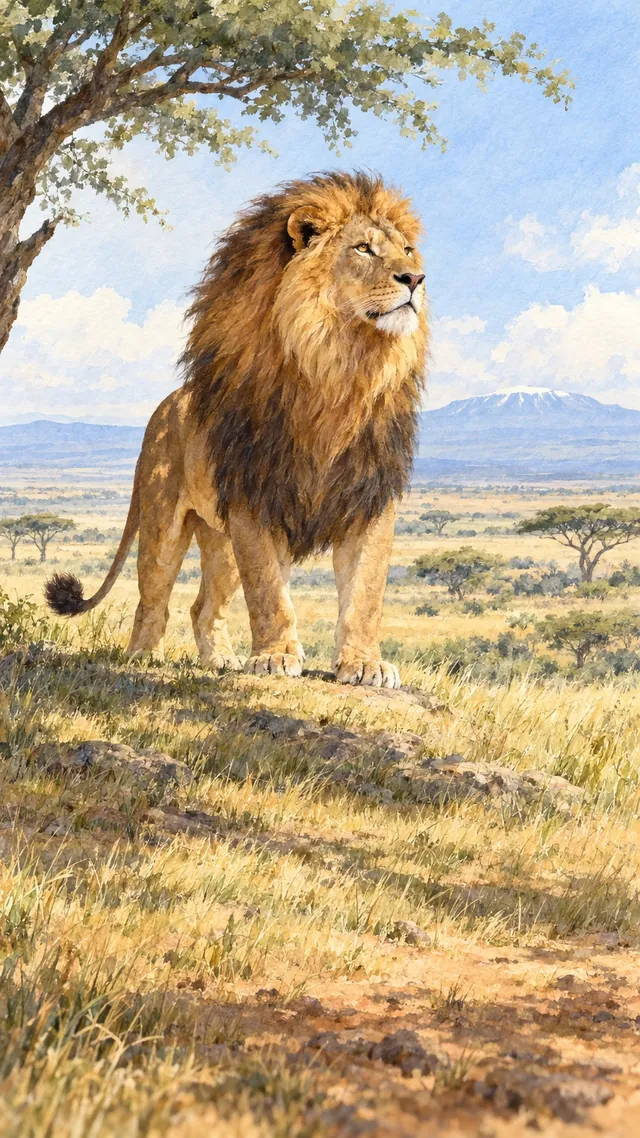
A lion resting under a tree gives us one glimpse of its day. Later, as daylight fades, the pride may become much more active.
Meet this species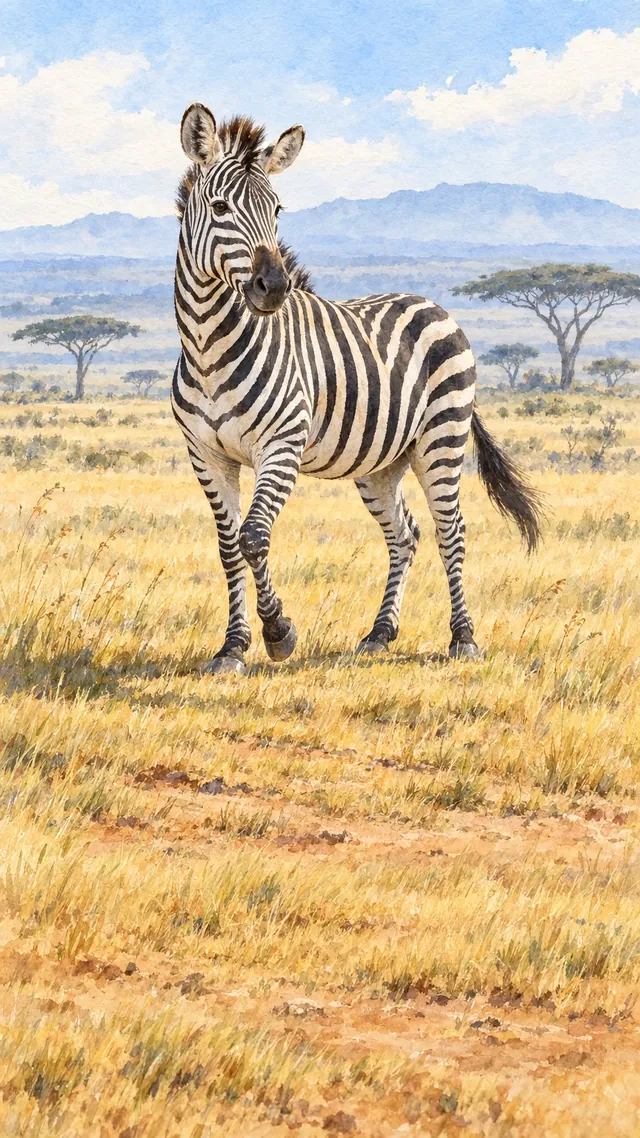
Zebra
Equus quagga
A zebra's coat is covered in stripes, but the pattern is its own. Look beyond the stripes to discover a life spent grazing and moving with other zebras.
Meet this species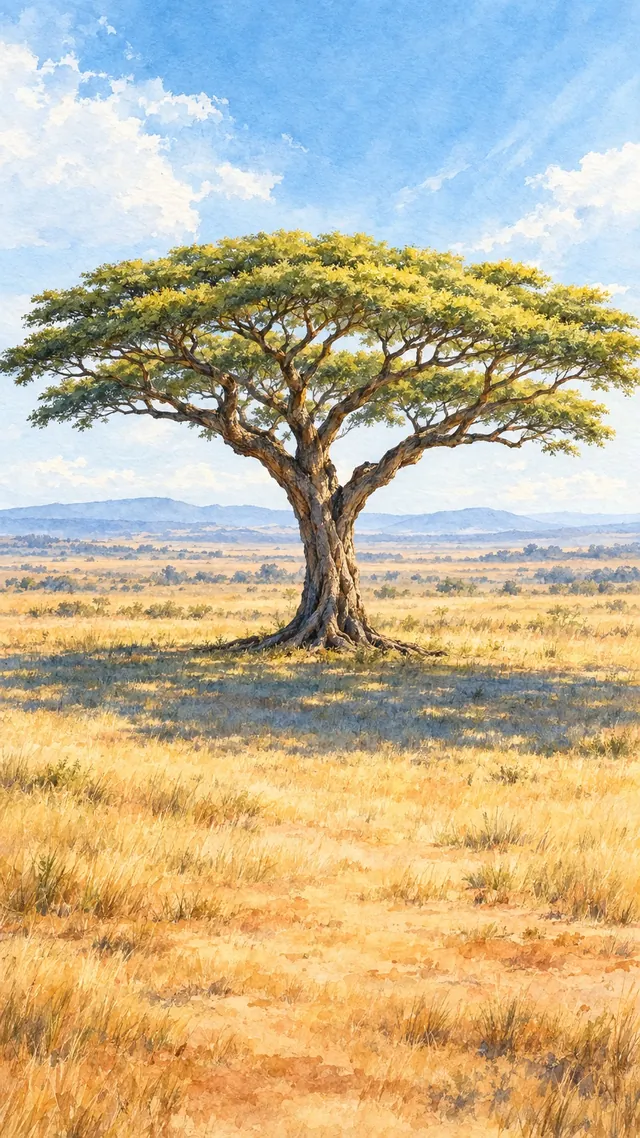
Umbrella thorn acacia
Vachellia spp.
Its spreading crown makes a patch of shade on a sunny plain. For animals, this tree can offer somewhere to rest or something to eat.
Meet this species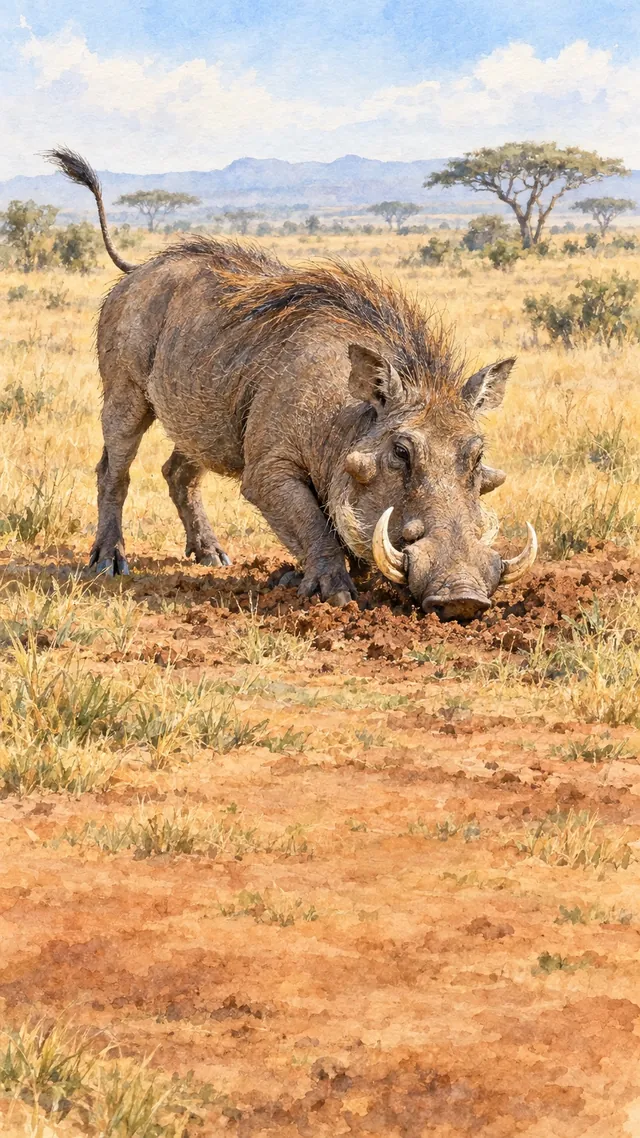
Warthog
Phacochoerus africanus
A warthog may lower itself onto its front legs while feeding. A nearby burrow gives this busy forager somewhere to shelter.
Meet this species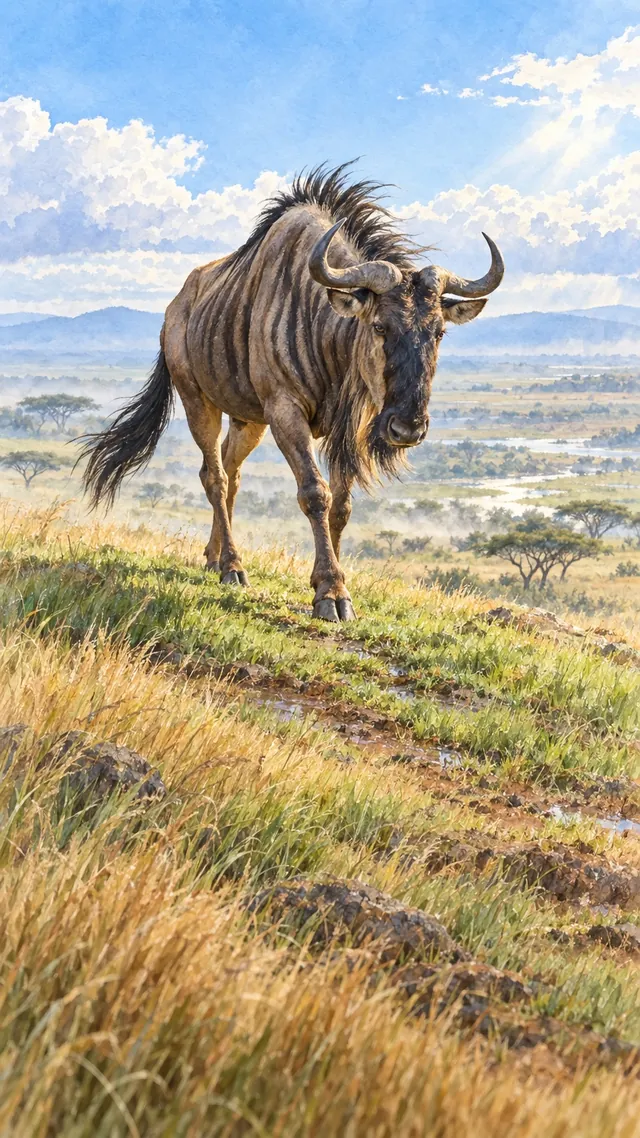
Wildebeest
Connochaetes taurinus
A herd may pause to graze, then move on as food changes with the seasons. In the Serengeti and Maasai Mara, this journey links many parts of the landscape.
Meet this species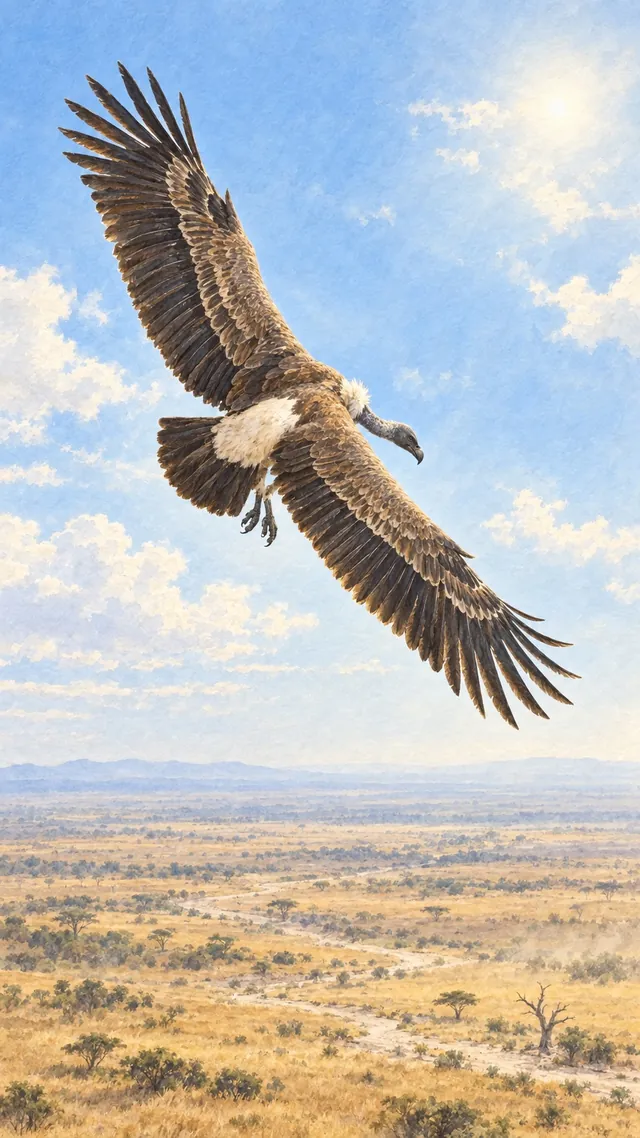
White-backed vulture
Gyps africanus
A vulture circling overhead is searching for food on the ground. Its meal comes from an animal that has already died.
Meet this species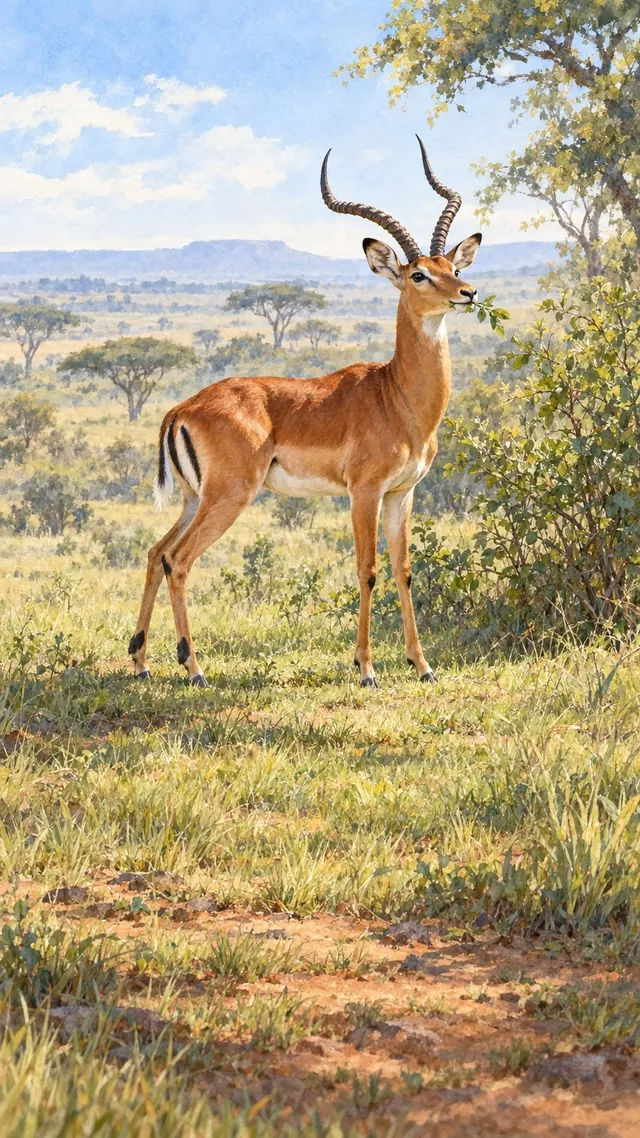
Impala
Aepyceros melampus
Notice the impala's curved horns and light-footed movements. Only males have those horns.
Meet this species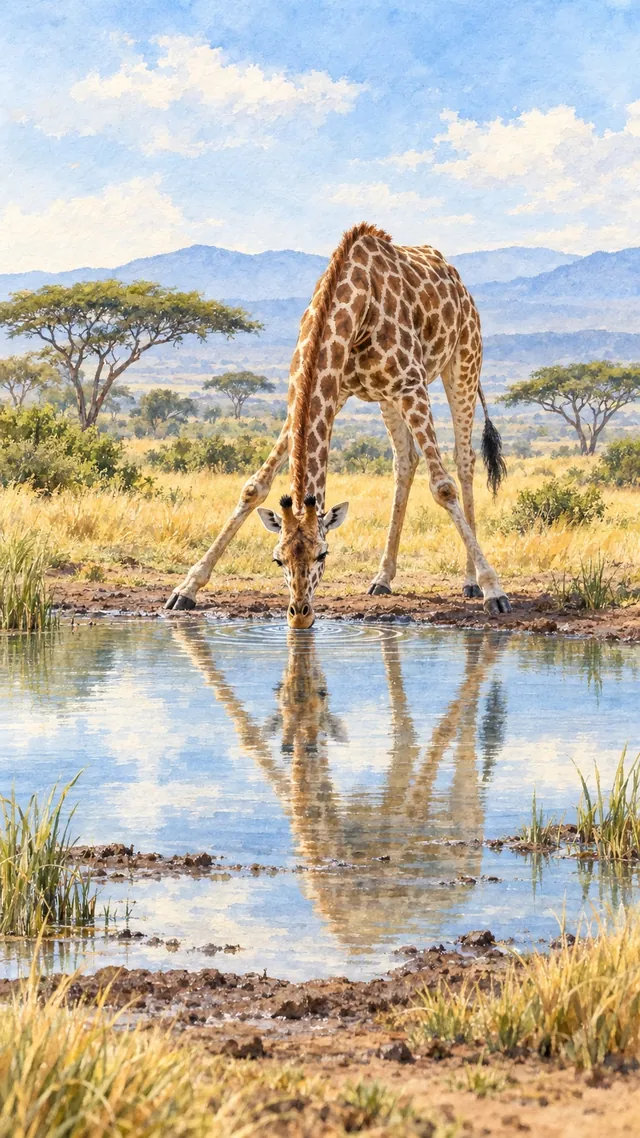
Giraffe
Giraffa spp.
A giraffe stretches towards a leafy branch. Its neck brings the food within reach, and a long, flexible tongue helps gather the leaves.
Meet this species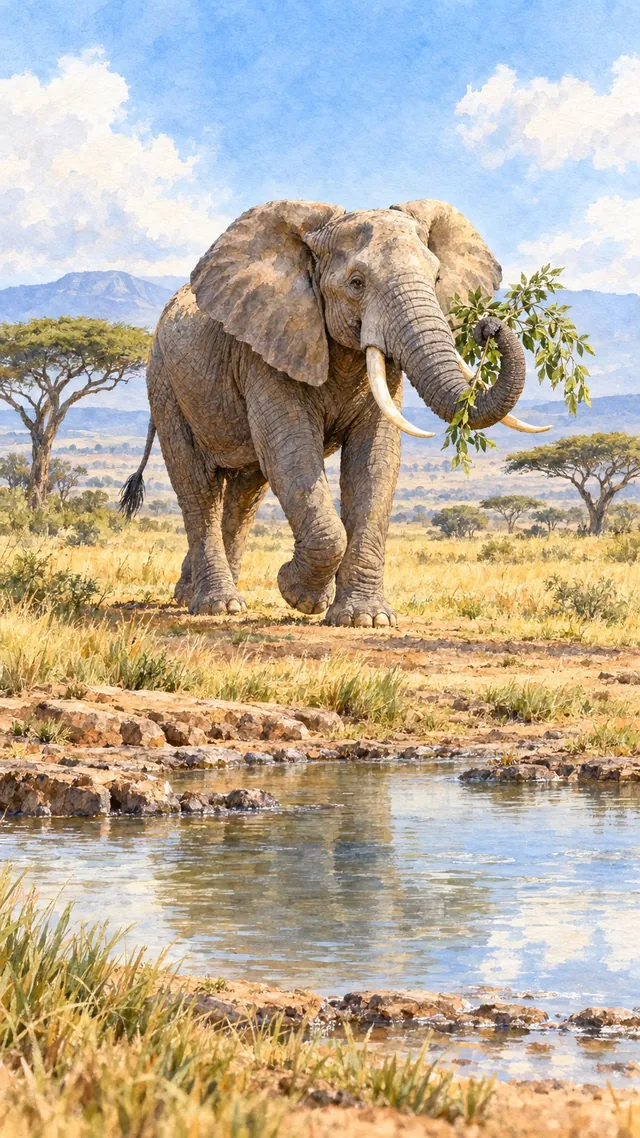
Elephant
Loxodonta africana
An elephant can curl its trunk around a branch or lift water towards its mouth. The same flexible trunk is also its nose.
Meet this species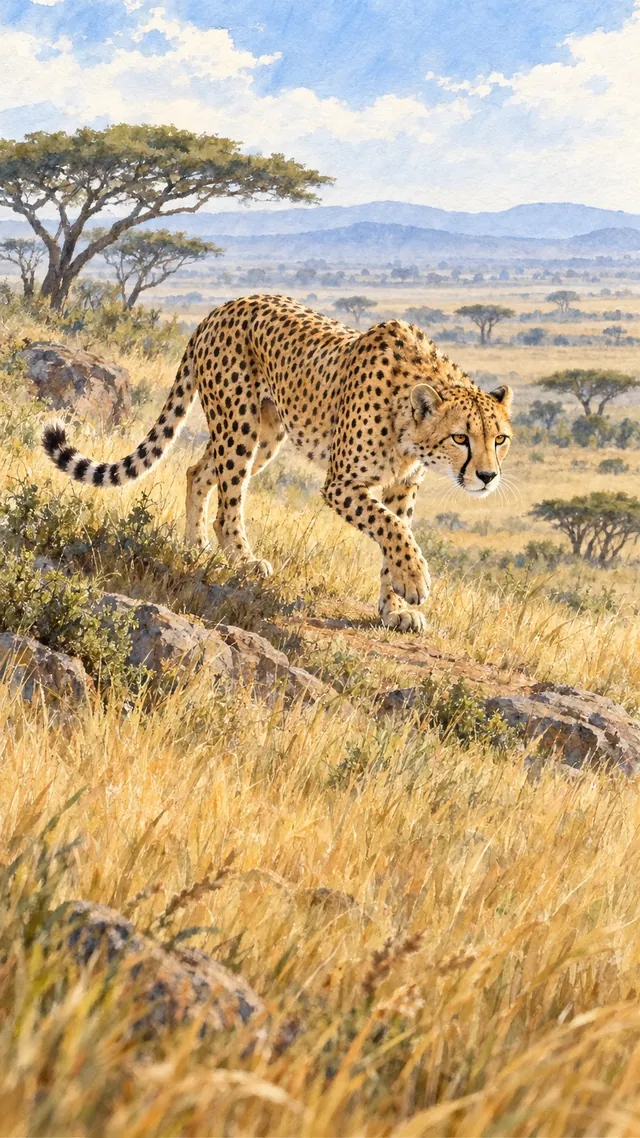
Cheetah
Acinonyx jubatus
A cheetah’s chase can begin with a careful approach. Then its long legs carry it across the grass in a sudden burst of speed.
Meet this speciesSources
- Hippo habitat and grazing, African Wildlife Foundation
- Common hippo anatomy and behaviour, Animal Diversity Web
Reviewed by Nature Reach on 17/10/2026.